Everything You Need to Know About Buying Second Hand Rims: A Complete Price Guide.
Introduction and Article Outline: Why Wheel Rims Matter More Than Many Drivers Realize,
Wheel rims do far more than frame a tire and fill a wheel arch with style. Their size, weight, material, and offset influence steering response, brake clearance, ride comfort, fuel use, and how evenly tires wear over time. For budget-minded drivers, the second hand market can uncover excellent value, but it can also hide bends, cracks, bad repairs, and fitment surprises. Learning the essentials before you buy saves money and helps you avoid a frustrating purchase.
Many drivers think of rims as cosmetic accessories, yet they sit at the crossroads of safety, engineering, and everyday convenience. A wheel that is too wide, too narrow, or simply wrong for a vehicle’s bolt pattern can turn a simple upgrade into a chain of problems. Even when the design looks perfect, the wrong offset may cause rubbing on the suspension, reduced clearance near the brakes, or awkward stance issues that compromise drivability. The effect is not always dramatic on day one. Sometimes the warning signs arrive quietly through uneven tire wear, vibration at highway speed, or steering that feels just a bit less settled than before.
That is one reason the used market deserves serious attention. New wheels can be expensive, especially if you want factory quality or a finish that matches the character of your vehicle. By contrast, second hand options often let buyers access stronger OEM sets, discontinued designs, or winter-ready steel wheels at a much friendlier price. There is also an environmental benefit. Reusing an existing set keeps functional metal parts in circulation and reduces the demand for new manufacturing.
This article begins with a practical outline so you can see the road ahead before diving into the details:
- How wheel dimensions and materials shape performance and comfort
- Why second hand rims can be a smart buy for daily drivers and project cars
- Where to search locally and online without wasting time on poor listings
- What to inspect before purchase, from cracks to corrosion and runout
- How pricing works, when to negotiate, and which rim types fit different goals
Think of rims as the shoes your car never takes off. A good pair carries weight, absorbs punishment, and still needs to look presentable after miles of potholes, heat cycles, curbs, and weather. A poor pair, even if it shines in a photo, can create costs that outlast the excitement of the purchase. The sections that follow are designed to help ordinary drivers, budget shoppers, enthusiasts, and cautious first-time buyers judge wheel rims with clear eyes rather than impulse.
Understanding Rim Basics and the Benefits of Buying Second Hand Rims,
Before shopping, it helps to understand the basic language of wheel fitment. People often use the words wheel and rim interchangeably, and in casual conversation that is perfectly normal. In technical use, the rim refers to the outer part of the wheel where the tire bead sits, while the complete wheel includes the center section and mounting area as well. When shopping listings, however, sellers usually say rims whether they mean the full wheel or not. The key is to focus on the specifications rather than the label.
The most important measurements include diameter, width, bolt pattern, center bore, and offset. Diameter is the size of the wheel across the tire mounting area, such as 16, 17, or 18 inches. Width affects tire compatibility and sidewall shape. Bolt pattern describes the number of lug holes and the circle they form, for example 5x114.3. Center bore is the size of the hole that fits over the vehicle’s hub. Offset tells you how far inward or outward the wheel sits relative to the hub mounting surface. A mismatch in any one of these can mean vibration, poor fit, or the inability to mount the wheels at all.
Material also matters. Steel wheels are usually heavier, simpler, and less expensive, which makes them popular for winter sets and work vehicles. Alloy wheels, commonly aluminum-based, are often lighter and more visually refined. Lower weight at the wheel can reduce unsprung mass, which may improve ride quality and steering feel. Some premium wheels are forged rather than cast, but those are often costlier even on the used market.
The benefits of buying second hand rims become clearer once you know what you are looking at:
- Lower purchase price compared with brand-new OEM or aftermarket wheels
- Access to discontinued factory styles that suit older vehicles
- A practical way to build a winter setup without overspending
- Potential to buy higher-quality wheels for the same budget as cheaper new ones
- Reduced waste through reuse of durable metal components
There are trade-offs, of course. A used set may have curb rash, fading clear coat, minor corrosion, or hidden structural damage. Yet that does not make the category risky by default. In fact, many used OEM wheels are a strong value because manufacturers design them to meet load, brake, and hub standards for specific vehicles. For a driver who wants dependable fitment, that factory engineering can be more reassuring than an unfamiliar bargain wheel sold new at a suspiciously low price. The used market rewards patience, measurement, and skepticism, not luck. Once you understand the fundamentals, you stop shopping by shine alone and start shopping by evidence.
How to Find Reliable Deals and How to Find Used Rims in Your Area,
The hunt for good used rims is part research project, part treasure search. Reliable deals do exist, but the best ones usually go to buyers who know where to look and how to filter out weak listings quickly. Start with local options because they allow in-person inspection and avoid shipping damage. Tire shops, wheel repair businesses, salvage yards, dealership take-off departments, enthusiast forums, and community marketplaces can all produce worthwhile leads. Some of the best sets come from drivers who upgraded soon after buying a new car and stored the original wheels in a garage with very little use.
Local tire shops are underrated sources. They often know which customers traded in old wheels, which sets were removed during seasonal swaps, and which designs fit popular vehicles in the area. Salvage yards can also be productive, especially for factory wheels from common models. A clean OEM set from a dismantled vehicle may offer better fit and durability than a flashy, low-cost alternative from an unknown source. Online marketplaces widen the search, but they demand more discipline. Search by bolt pattern, diameter, and part number whenever possible, not just by generic phrases like nice rims or alloy wheels.
When reviewing listings, look for signals of reliability:
- Multiple clear photos, including close-ups of faces, barrels, lug holes, and back stamps
- Exact size, offset, and bolt pattern instead of vague descriptions
- Honest mention of scratches, repairs, or missing center caps
- Seller willingness to provide part numbers or additional measurements
- Consistent story about where the wheels came from and why they are being sold
It is also wise to ask direct questions before arranging a meeting. Have the wheels ever been welded or straightened? Were they used in winter salt? Do they come with tires, sensors, hub rings, or hardware? Are all four identical in size and offset, or is the set staggered? A quick conversation can save a wasted trip.
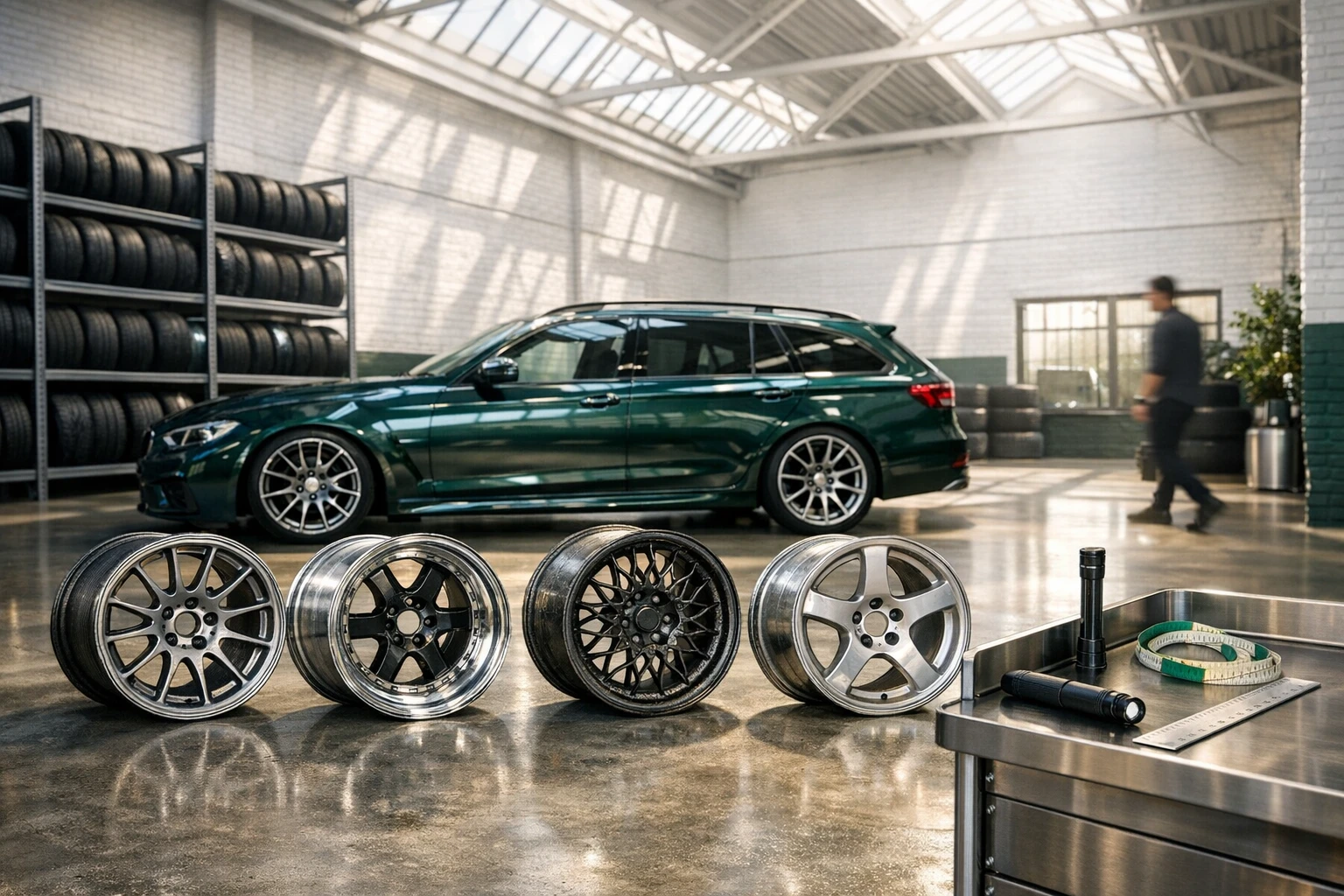
Timing helps too. Demand for winter wheels often rises before cold weather, while sporty larger wheels may move faster in spring and early summer. Sellers cleaning garages during seasonal changes may price items more aggressively just to free up space. If you are shopping locally, choose a meeting place where you can inspect each wheel in daylight. Bring a tape measure, a flashlight, and your vehicle fitment notes. A sharp deal should never rush you. Good buyers move efficiently, but careful buyers ask enough questions to avoid carrying home someone else’s expensive mistake.
Inspection Guide: What to Check Before Buying Used Wheel Rims,
A good inspection is where budget shopping turns into smart shopping. Attractive photos and reassuring messages are helpful, but they cannot replace a hands-on check. Used wheel rims live difficult lives. They hit potholes, scrape curbs, absorb heat from brakes, and sometimes spend years exposed to road salt. That history leaves clues. Your goal is not to find perfection at a used price. Your goal is to separate normal cosmetic wear from damage that affects safety, fitment, or long-term durability.
Begin with the overall shape. Place each wheel upright and look for bends on the outer lip and inner barrel. The inner barrel matters more than many buyers realize because it often takes the harder impact while remaining less visible in photos. Rotate the wheel slowly and watch for wobble or irregularity. A professional shop can measure radial and lateral runout more precisely, but even a simple visual test can reveal obvious distortion. Then inspect for cracks, especially near spokes, lug holes, and the back side of the wheel. Any crack should be treated seriously. Even if repair is possible, a structurally compromised wheel deserves extreme caution.
Next, examine wear points and mounting areas:
- Lug holes should be round and not stretched, oval, or heavily gouged
- The hub bore should be clean and free of severe corrosion or impact damage
- The mounting pad should sit flat without obvious deformation
- Spokes should show no splits, sharp fractures, or suspicious filler
- The bead seat area should be free from deep corrosion that could affect tire sealing
Cosmetic damage deserves context. Light curb rash is common and often harmless, though refinishing costs may affect what you are willing to pay. Peeling clear coat, faded paint, and surface oxidation are mostly appearance issues unless corrosion has become deep and flaky. Chrome-plated wheels deserve extra attention because peeling chrome can hide more serious age-related deterioration. If the wheels come with tires still mounted, do not let that distract you from the wheel itself. In fact, tires can conceal barrel damage, bead-seat corrosion, and patchy repairs.
Ask about repairs directly. A seller who mentions professional refinishing or minor straightening is not automatically dishonest; transparency matters more than a flawless story. But poor welding, heavy filler, or vague explanations are warning signs. Check the casting marks or back stamps for size, load information, and part numbers. Confirm that all four match. Mixed wheels occasionally appear in sets, and the difference may only become obvious after mounting. Finally, trust the feel of the transaction. If the seller discourages close inspection, resists basic questions, or pushes for immediate payment, step away. A sound wheel should withstand scrutiny just as well as it withstands the road.
Price Guide, Negotiation Tips, and Where to Look for Wheel Rims for Different Needs,
Pricing used rims is rarely simple because value depends on size, material, brand reputation, finish, vehicle fitment, and condition. Still, general patterns can help buyers build a realistic budget. Basic used steel wheels for common passenger cars often sit at the lower end of the market, especially in smaller diameters. A plain set may be found for roughly the cost of a single new alloy wheel. Clean OEM aluminum sets usually command more because they offer predictable fit and stronger resale appeal. Larger diameters, premium finishes, and desirable factory sport packages can push prices higher, particularly when center caps and tire pressure sensors are included.
As a broad guide, many buyers see pricing clusters like these, though region and season matter:
- Used steel wheel sets for common cars: often budget-friendly and popular for winter duty
- Standard OEM alloy sets in everyday sizes: typically mid-range and good value for reliability
- Premium OEM or sport-package wheels: higher prices, especially if clean and unrefinished
- Reputable aftermarket performance wheels: variable pricing based on brand and rarity
- Damaged or refinishing-project sets: low entry cost but potentially high total investment
Negotiation works best when it is informed rather than aggressive. Research completed listings, not just asking prices. Compare condition carefully because a freshly refinished set with verified straight barrels should not be priced like a rough curb-rash set pulled from a shed. If you notice missing caps, worn finishes, or evidence that the wheels will need balancing or repair, mention those points politely and attach them to a reasonable offer. Cash-in-hand can help during local deals, but respectful clarity helps more. Sellers respond better to, “I like the set, but the corrosion on two barrels means I will need cleanup work,” than to a random lowball number with no explanation.
Different buyers should also shop with different priorities. A daily driver owner usually benefits from durable OEM wheels with easy tire availability. Someone building a winter package may prefer cheaper steel or simple alloys that can handle seasonal abuse. A project car owner may chase rare period-correct styles and accept refinishing work as part of the fun. Off-road drivers need strength, suitable offset, and practical sizing more than delicate finishes. Performance-minded buyers often focus on weight, brake clearance, and construction quality before appearance.
Conclusion: Smart Choices for Drivers Who Want Value Without Guesswork
If you are buying second hand rims, the smartest move is to balance enthusiasm with measurement. Great deals are real, but the best purchases happen when fitment data, honest inspection, and realistic pricing all line up. Style matters, and there is nothing wrong with wanting your vehicle to look better when parked at the curb or rolling into the morning sun. Just make sure the wheel you choose also respects the practical side of driving: safety, comfort, tire life, and dependable daily use. For budget-conscious drivers, careful shopping can turn the used market into an advantage rather than a gamble.