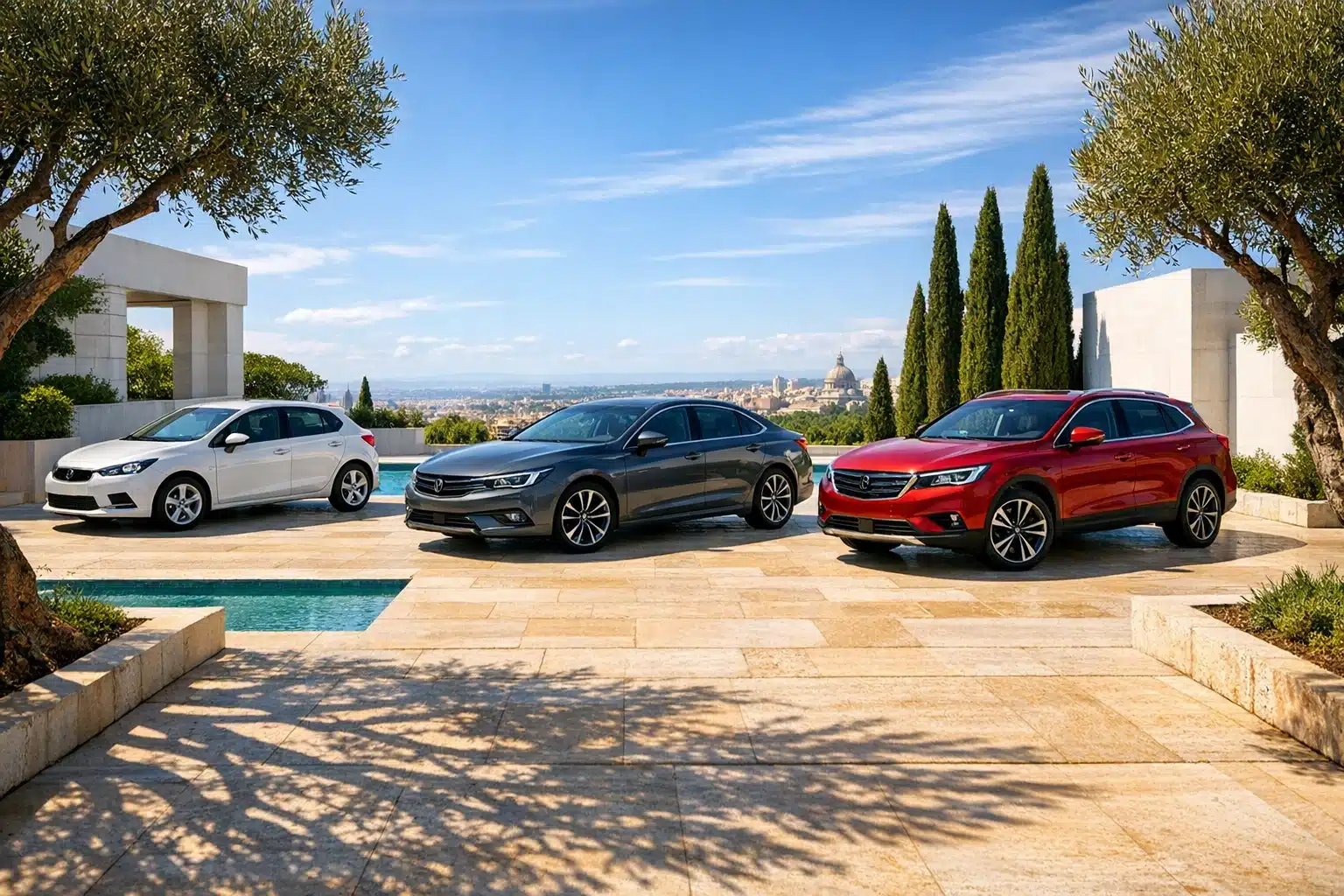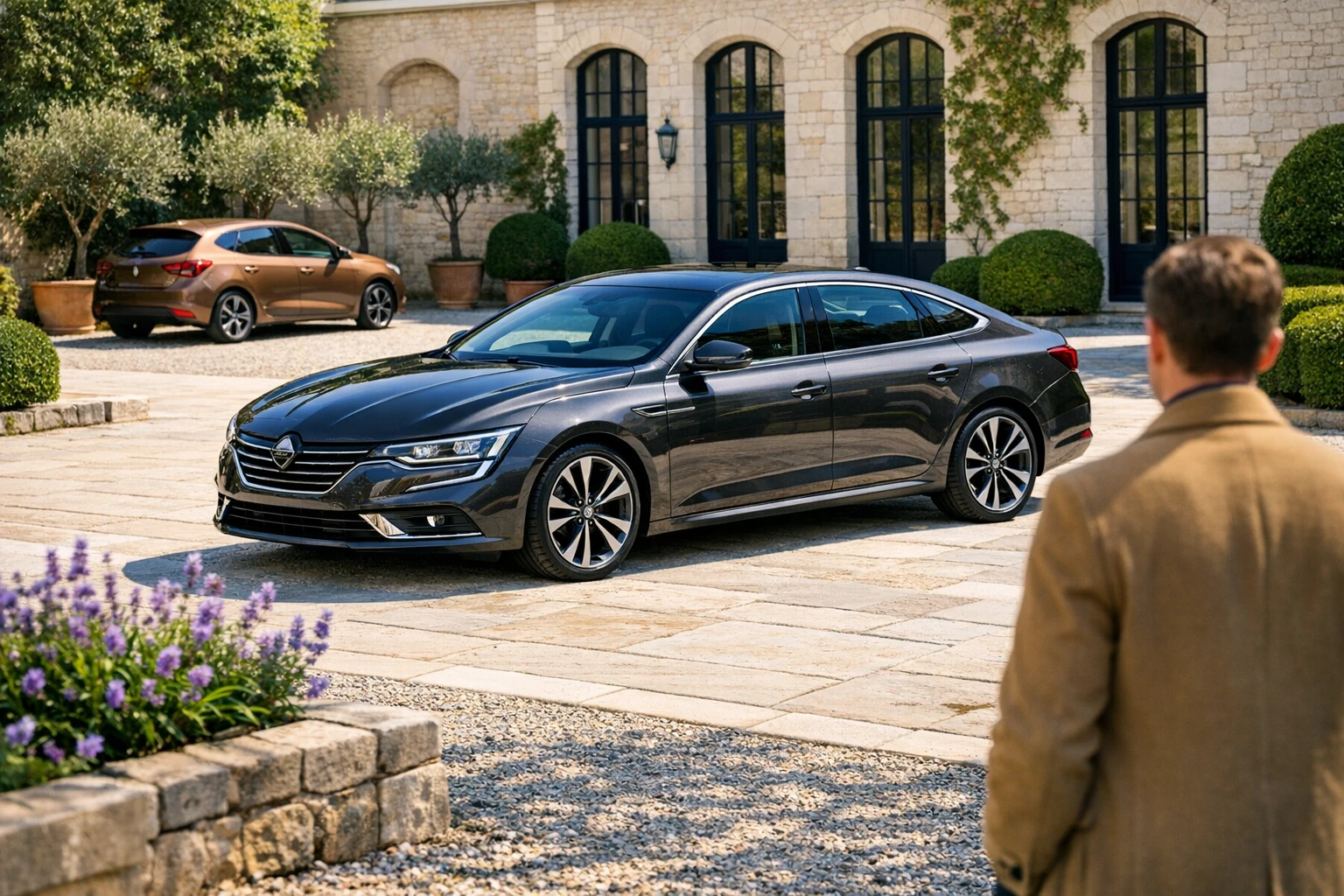
Used vehicles available in Belgium include different models, body types and price ranges. Explore available car options and start your search.
Buying a used car in Belgium can feel like opening a map full of small roads, each leading to a different price, model, and ownership story. A smart purchase is rarely about luck alone; it comes from patient research and a clear idea of what matters most to your daily life. This guide explains the market, the checks that matter, and the decisions that often confuse first-time buyers. Read on to move from casual browsing to a more confident shortlist.
This article follows a practical path from search to decision. First, it explains how the Belgian market works and why prices can differ sharply between similar cars. Next, it looks at common models and body types, then moves into inspection, seller comparison, and document checks. The goal is simple: help readers avoid expensive surprises and choose a car that fits everyday needs, not just showroom appeal.
- How the Belgian used car market works and what affects value
- Choosing among body types, fuel options, and model categories
- Checking condition through visual inspection and a test drive
- Understanding the pros and limits of different seller types
- Reviewing paperwork, mileage records, and final buying steps
Understanding the Belgian Used Car Market
The used car market in Belgium is broad, active, and shaped by a few local realities that buyers should understand early. One of the biggest is regional difference. Registration taxes, annual road taxes, and practical driving conditions can vary depending on whether you live in Flanders, Wallonia, or the Brussels-Capital Region. On top of that, low-emission rules in cities such as Brussels, Antwerp, and Ghent influence which fuel types make sense. A diesel that seems attractively priced may not be as practical if you regularly enter a low-emission zone, while a small petrol or hybrid vehicle may be easier to live with in the long run.
Belgium also has a strong cross-border influence. Cars may come from local owners, leasing fleets, company renewals, or imports from neighboring countries. That creates opportunity, but it also means buyers should look beyond the headline price. A cheaper car may need tires soon, have a timing belt interval approaching, or carry a higher tax burden than expected. In other words, the purchase price is only the opening line of the story.
Language can play a role as well. Listings may appear in Dutch, French, German, or English, depending on the seller and region. The details in an ad are worth reading carefully, especially words related to accident history, maintenance records, and technical inspection status. A photo can flatter almost any car on a sunny day, but a clear service file is far more persuasive than polished paint.
When starting your search, it helps to rank your needs in order rather than browsing randomly. Useful filters include:
- Maximum total budget, not just purchase price
- Fuel type suited to your weekly driving pattern
- Transmission preference for city or motorway use
- Boot space, rear-seat room, and child-seat practicality
- Likely maintenance and insurance costs
Buyers who define these points early usually make calmer choices. Belgium offers enough variety that almost every budget can find a workable option, but the strongest deals often go to people who know exactly what they are shopping for before they arrive on the forecourt.
Available Used Car Models in Belgium
One of the strengths of shopping second-hand in Belgium is range. Available Used Car Models in Belgium span small city hatchbacks, practical family estates, compact crossovers, executive sedans, light vans, and an increasing number of hybrid and electric vehicles. That variety is helpful, but it can also pull buyers in too many directions. A sporty design may catch the eye, yet a modest hatchback might fit the real routine better if most journeys are short commutes, school runs, and supermarket trips.
For urban drivers, small hatchbacks remain popular because they are easier to park, often cheaper to insure, and generally lighter on fuel. Models in this category frequently come from brands such as Volkswagen, Peugeot, Renault, Opel, Toyota, Hyundai, Kia, and Ford. Families who need more boot space often look at estates, compact SUVs, or larger hatchbacks. These can be more versatile for holidays, prams, or weekly shopping, though they may come with slightly higher running costs. Buyers covering long motorway distances may still consider diesel cars, but that choice needs to be balanced against maintenance complexity and access rules in low-emission zones.
Electrified options are becoming more common too. Hybrids can make sense for mixed driving, especially if traffic and stop-start use are part of daily life. Used electric cars are also easier to find than they were a few years ago, though battery health, charging access, and realistic range deserve close attention. A low advertised price can look excellent until you realize home charging is inconvenient or fast-charging habits have affected battery performance over time.
A practical way to narrow the field is to match body type to lifestyle:
- City driving: compact hatchback or supermini
- Young family: estate, MPV, or compact SUV
- Long-distance commuting: efficient petrol, hybrid, or carefully chosen diesel
- Rural use or hobby gear: larger wagon, crossover, or van-based vehicle
- Occasional use: older, simpler models with strong maintenance history
Try not to chase features that sound impressive but add little to daily comfort. Panoramic roofs, oversized wheels, or very high trims can raise purchase and repair costs. Often, the wiser buy is the well-maintained mid-spec car with documented servicing, sensible mileage, and equipment you will truly use. In the used market, condition and suitability generally matter more than prestige badges or flashy options.
Inspecting Vehicles Before Purchase
Inspecting Vehicles Before Purchase is where enthusiasm has to make room for discipline. A used car is not just an object; it is the result of years of driving habits, maintenance choices, weather exposure, and sometimes neglect hidden under fresh cleaning products. The inspection should therefore move from broad impressions to specific checks. Begin by viewing the car in daylight if possible. Paint that looks uniform under artificial light may reveal mismatched panels outside, which can hint at previous repair work. Small scratches are normal, but inconsistent panel gaps, overspray, or uneven reflections deserve questions.
Walk around the vehicle slowly. Check tires for uneven wear, because this can suggest alignment issues, worn suspension parts, or neglected maintenance. Look at the windshield for chips, inspect lights for moisture, and make sure the doors, bonnet, and boot open and close cleanly. Inside the cabin, excessive wear on the steering wheel, pedals, or driver’s seat can sometimes conflict with the stated mileage. That does not automatically prove anything is wrong, but it is a prompt to look more closely.
Then move to functional checks. Start the engine from cold if the seller allows it. Cold starts can reveal noises, smoke, weak batteries, or rough idling that a warmed-up engine may conceal. During the test drive, listen rather than chat. Pay attention to braking feel, steering response, clutch behavior, gear engagement, and how the car tracks on a straight road. A brief drive in town is not enough; if possible, include low speed, rougher surfaces, and faster roads.
A useful inspection checklist includes:
- Bodywork consistency and signs of rust
- Tire condition and matching tire brands
- Warning lights on the dashboard
- Air conditioning, windows, infotainment, and locks
- Engine noise, exhaust smoke, and fluid leaks
- Brake feel, suspension noise, and steering stability
If you are unsure, bring a knowledgeable friend or pay for an independent inspection. That small cost can prevent a much larger repair bill later. The goal is not to find a flawless used car, because that rarely exists. The goal is to understand what is normal wear, what is manageable, and what could become an expensive problem soon after purchase.
Comparing Dealerships and Private Sellers
Comparing Dealerships and Private Sellers is one of the most important parts of the decision, because the same car can feel very different depending on who is selling it. A dealership often offers more structure. Vehicles may be prepared for sale, financing may be available, and buyers may receive some form of warranty or after-sales support depending on the seller and the car’s age. That added protection can justify a higher price, especially for buyers who value documentation, clearer procedures, and a place to return to if problems appear soon after purchase.
Private sellers, on the other hand, may offer lower prices and more direct knowledge of how the car was actually used. A careful owner can sometimes tell you more about motorway mileage, recent repairs, and minor quirks than any sales listing ever will. The trade-off is that private purchases usually require more caution. The presentation may be less polished, paperwork may be less organized, and there is often less formal protection once money changes hands.
Neither option is automatically better. Much depends on the seller’s transparency, the quality of records, and your own comfort with risk. Ask similar questions in both cases: Why is the car being sold? How long has the current owner had it? What major maintenance has been done recently? Has it ever been in an accident? The answers matter, but so does the way they are given. Evasive replies, reluctance to share documents, or pressure to pay quickly are warning signs.
When weighing both routes, consider these practical differences:
- Dealerships may provide clearer purchase paperwork and limited guarantees
- Private sellers may be cheaper but often expect faster, simpler transactions
- Trade-ins and financing are more common through dealers
- Private sales may give more room for negotiation if the seller wants a quick sale
- Reputation and reviews are easier to check for established dealerships
There is also the matter of atmosphere. A tidy showroom can create confidence, just as a friendly private driveway can create trust, but neither setting replaces evidence. Good buying decisions are built on inspection, service records, legal paperwork, and calm judgment. Whether you buy from a dealer or an individual, the best seller is the one who makes verification easy rather than awkward.
Vehicle History and Mileage Chec
Vehicle History and Mileage Chec should never be treated as an afterthought. In Belgium, mileage transparency is a major part of second-hand buying, and one of the best-known tools is the Car-Pass system, which records odometer readings from various official or professional checkpoints. For many used cars sold in the country, this document helps buyers compare stated mileage with recorded data. It does not tell you everything about a vehicle’s life, but it is a powerful starting point. If the mileage story feels inconsistent, pause the process immediately and ask for clarification before discussing price.
History goes beyond the odometer. Service records can show whether the car has been maintained on time and whether major jobs have already been handled. Timing belt replacements, brake work, battery changes, tire invoices, and inspection reports all add context. A car with slightly higher mileage but complete maintenance evidence can be a safer buy than a lower-mileage car with gaps in its paperwork. Paper trails often reveal more truth than glossy photos or persuasive sales talk.
It is also wise to confirm identification details. Check that the registration documents, vehicle identification number, and service papers all match. If the car was imported, ask what records are available from its previous country. Imported vehicles are not automatically risky, but missing history makes assessment harder. You should also ask whether the car has any outstanding finance, accident repairs, or insurance-related damage in its past, where such information is available and appropriate to verify.
Before closing the deal, work through a final checklist:
- Review mileage records and compare them with dashboard reading
- Confirm service history and dates of major maintenance items
- Read the sales agreement carefully before signing
- Check what accessories are included, such as spare keys or winter tires
- Clarify technical inspection status and any known defects
At this stage, negotiation should be based on evidence, not nerves. If tires are near replacement, servicing is due soon, or cosmetic damage lowers value, mention those points calmly. A fair seller will usually recognize documented reasons for a revised price. Then, once the paperwork is complete and the details align, you can buy with a steadier mind. In the used car world, confidence is rarely built by speed; it is built by verification.
Conclusion for Buyers Searching in Belgium
For buyers in Belgium, the used car market offers real opportunity, but the strongest choices usually come from method rather than impulse. Start by defining what you genuinely need, including budget, fuel type, space, and expected running costs. Then narrow your shortlist, inspect each candidate carefully, compare seller types without assumptions, and verify the vehicle’s history before committing. That sequence may take extra time, yet it often saves money and stress later.
If there is one practical lesson to keep in mind, it is this: a good used car is not simply the one with the lowest price or the newest badge. It is the one that matches your routine, fits regional driving realities, comes with trustworthy documentation, and shows signs of responsible ownership. Buyers who stay patient, ask clear questions, and rely on evidence are far more likely to end up with a vehicle that feels dependable rather than uncertain. In a market full of options, calm attention is still one of the best tools you can bring.